
Interferry, the international association representing the
the ferry sector, urged the European Union to suspend
with immediate effect the next step of the extension to the segment
of the EU Emissions Trading System (ETS) ferries, the
emissions trading system which has been extended
maritime sector with effect from 1 January 2024 and based on the
which for the sub-fund is expected to be paid in 2025 of the
40% of emissions produced in 2024, the payment in 2026 of 70%
of emissions in 2025 and the payment from 2027 onwards
of 100% of emissions generated from 2026. Interferry
calls for the obligation to surrender maritime emissions to be
frozen at 70% scheduled for 2025 and the increase is blocked
expected to be 100% from 2026.
The association specified that its request "makes
following the recent decision to continue to exempt transport
by a parallel ETS mechanism and the lack of a
clear regulation on the distribution of the funds raised".
"This implementation - explained the CEO
of Interferry, Mike Corrigan - must remain in force as long as
road transport will also not be included in the ETS
and the funds raised will not actually be allocated to the
maritime decarbonization. The EU - Corrigan highlighted - must
delivering on the promise of a level playing field and ensuring that
its climate policy supports, rather than exhausts,
financially, its most important transport sector
innovative".
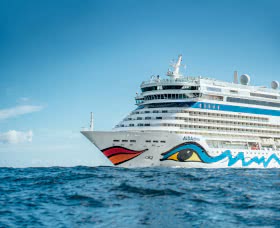
Interferry has stressed that ferries are of fundamental importance
importance for Europe, holding more than half of the
worldwide gross tonnage of ro-ro and passenger ships operating
in European waters, transporting 400 million tonnes of
passengers and 200 million vehicles and loading units
within the EU, resulting in significant relief
of the road network. The association highlighted that every euro of
increase in transport fares on ferries risks causing
Returning goods to the already congested road networks
European Championships.
Interferry recalled that it had given its support to the
process of decarbonisation of the maritime sector and to have
accepted the EU ETS with the clear understanding that the EU ETS
collected would actually be used for the
decarbonization and that road transport would soon be
included in the Emissions Trading System, while
recently the Council of the EU decided to postpone the inclusion of the
of road transport
 (
of 10
December 2025), raising significant concerns in the industry
of short-sea shipping on why users
maritime transport communities, such as
islands, have to bear the full cost of the ETS. "This
exemption of road transport from the EU ETS - denounced
Johan Roos, Director of Regulatory Affairs at Interferry - creates a
immediate and serious competitive disadvantage for ro-ro ferries and
passengers. At present, the ETS creates a negative incentive,
pushing goods and passengers to return to the road networks already
due to higher ferry costs. This is
in direct contrast to the EU's long-standing policy of
modal shift from the road to the sea".
(
of 10
December 2025), raising significant concerns in the industry
of short-sea shipping on why users
maritime transport communities, such as
islands, have to bear the full cost of the ETS. "This
exemption of road transport from the EU ETS - denounced
Johan Roos, Director of Regulatory Affairs at Interferry - creates a
immediate and serious competitive disadvantage for ro-ro ferries and
passengers. At present, the ETS creates a negative incentive,
pushing goods and passengers to return to the road networks already
due to higher ferry costs. This is
in direct contrast to the EU's long-standing policy of
modal shift from the road to the sea".
In addition, Interferry recalled that last October the IMO
postponed for at least 12 months the adoption of a comprehensive mechanism for the
greenhouse gas pricing, a framework that should have replaced
EU ETS and would have established clear guidelines for the use of the
of the funds raised
(
of 17
October 2025), while in the meantime the members of Interferry
operating to and from EU ports are taxed for their
CO2 emissions without a clear provision on how money
is reinvested to mitigate greenhouse gas emissions and without
certainty about when it will come into force, if it will ever come into force
in force, a global regulation of the IMO. "The EU ETS -
noted Roos - is taxing the transport on intra-EU ferries of
about one billion euros a year, while we need
support for the production of e-fuels and huge investments
electrification of EU ports for the benefit of charging
of electrically propelled vessels. Instead, the vast majority
most of this revenue is diverted to budgets
Member States. This approach does not promote or
competitiveness and cohesion and hampers the capacity of
of the sector to invest in cleaner technologies".

















 - Via Raffaele Paolucci 17r/19r - 16129 Genoa - ITALY


