
In view of the Marine Environment Protection Committee (MEPC)
of the International Maritime Organization (IMO), scheduled to
London from November 30 to December 4, the World Shipping Council
(WSC) again urged governments to agree, without further
Delays, binding global regulations on greenhouse gases for transport
international maritime policy, noting that the continued
of uncertainty risks slowing down investments in
cleaner fuels and infrastructure.
In particular, the association, which represents the main
container shipping companies worldwide, invited
Define a credible path towards "net zero emissions"
(net zero), with clear and predictable reduction requirements, in
in line with the ambitions of the "2023 GHG Strategy"
of the IMO, to establish a rigorous and consistent application of
rules that ensure the adoption of the same rules for all
ships from the first year and to introduce fuel incentives
cleaner aimed at bridging the price gap between the
traditional fuels and those with zero or nearly zero emissions of
greenhouse gas.
"The shipping companies," emphasized today the
WSC president and CEO, Joe Kramek - are investing billions in
ships capable of using cleaner fuels. We have
need for global rules that offer fuel producers and
the shipowners have the confidence needed to invest in the phase
subsequent transition. Clear objectives, an application
effective regulations and concrete incentives for more
clean - Kramek explained - must proceed hand in hand. A
agreement that integrates all three aspects can accelerate
the path towards net zero emissions and help transform
investments already underway in a real reduction of
emissions."
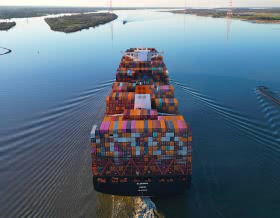
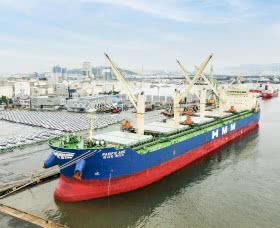
The association highlighted that as far as regards, in the
the sector of liner maritime transport, the
investments are already at an advanced stage, with companies
operating with container ships and ships for the
vehicle transport have allocated over 200 billion dollars
for more than 1,350 dual-fuel ships, of which over 500 are already
in service.
"We believe," Kramek concluded, "that the Member States
of the IMO can cooperate to reach an agreement that respects
the commitments made in 2023. As a sector, we will have the responsibility
to implement the standards agreed upon at the IMO level. For this reason, we ask
clear reduction targets, consistent application of the rules
and significant incentives in favor of more fuels
clean. These are the foundations of an effective global regulatory framework,
capable of leading to a real reduction in emissions."




















 - Via Raffaele Paolucci 17r/19r - 16129 Genoa - ITALY


