Independent journal on economy and transport policy
20:31 GMT+2
This page has been automatically translated by Original news
PORTS
The port of Antwerp-Bruges returned to growth in the third quarter, with +2.5% after two quarters of decline
Containers, ro-ro and dry bulk cargo are driving the recovery, while steel and energy products remain in difficulty
Anversa
October 20, 2026
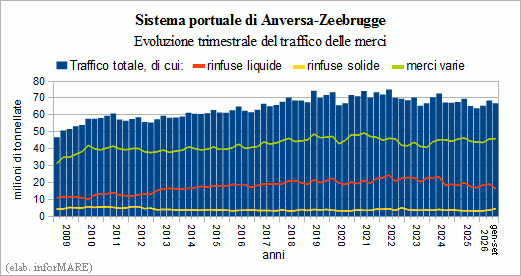
The third quarter of 2026 is the first this year that
the port system of Antwerp-Bruges closed with growth on the
same period as last year. Between July and September,
about 67 million tons of goods handled, with an increase in
by +2.5% over the corresponding period of 2025. In the first quarter
This year, the percentage change was -3.1% and in 2015
second by -1.7%. The result of the first quarter, however, was not
was enough to erase the accumulated delay, and in the first nine months the
total traffic is 200.9 million tons, down by
-0.8% compared to the January-September period of 2025.
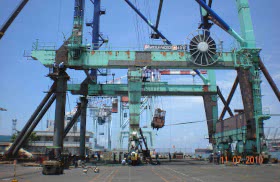
In the third quarter of 2026, the strongest push for
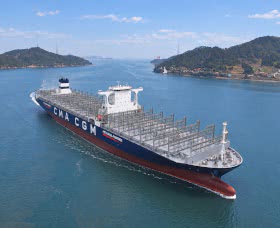
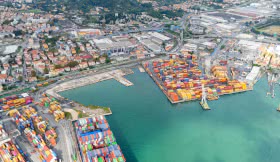
came from the containers, with the port having
handled about 3.6 million TEUs (+5.7%). This is the best
quarter from the fourth quarter of 2020. By weight goods
containerized were about 38.6 million tons (+5.8%).
The Belgian port authority specified that the beginning of the third
was not easy: in mid-July a
container damaged with hydrofluoric acid blocked the
operations in the Deurganck Dock, an event that was added to
a first half of the year already marked by bad weather,
strikes and an oil spill in the same basin.
Since the beginning of August, however, the trend has reversed and
The recovery has brought the balance of the first nine months of 2026 into
positive, with 10.4 million TEUs handled (+1.2%), even if in
weight containers remained -0.6% below 2025 as they
amounted to 112.8 million tonnes. Growth was
driven by voids (+11.7% in TEUs in the first nine months), while
fell by -1.3%. In addition, imports
increased, while exports remained
under pressure, with an imbalance that forces them to reposition
many empty containers, especially towards Asia.
The plus sign is even clearer on the
dry bulk cargo. In the third quarter, volumes rose by about
+35%, thanks to a +47% of incoming goods. They weigh - he specified
the port authority - the new iron ore flows from Liberia,
Canada and Venezuela, as well as rapeseed (+80%). Over nine months, the
sector grew by +13% to 11.4 million
tons. However, fertilizers, which are the main
category, lost -1.1%.
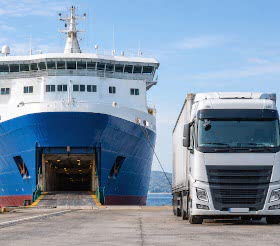
In the ro-ro cargo segment, there were
about 5.5 million tons (+5.9%) were handled and in the nine
16.5 million months (+5.5%). The cars transited in the quarter were
been about 870 thousand (+7.6%) and in the nine months new cars were
2.56 million (+9.3%), with imports up by +13.7%
thanks to China (+38.1%) and Japan (+10%). In addition, the
connections with Ireland (+9.1%) and Scandinavia (+25.9%), while
those with the United Kingdom (-4%) and the Iberian Peninsula fell
(-25,1%).
On the other hand, conventional freight traffic has lost almost
-27% in the third quarter, and the decline rose to -16.6%
over the nine months (6.2 million tonnes). The largest weight is
iron and steel sector, equal to over 70% of the sector, with a
-30.1% in the quarter and -17.5% in the nine months. In particular,
steel imports plummeted by -43.8% in the third
quarter. The Port Authority recalled that since the last first
July European safeguard quotas have been reduced
and imports above the threshold pay a duty of
50%. Since the beginning of the year, steel has also been included in the CBAM, the
carbon border adjustment mechanism. They also count
weak demand, energy costs and overcapacity
global. Exports to the United States lost their
-22,7%. The body specified that fruit and vegetables are fine
(+7.6%), while timber fell by -39.8%.
The quarter was also weak for liquid bulk cargo,
with about 16.5 million tons (-6.3%). The decrease is
-3.4% over the nine months, to 54 million tons. The
conflict in the Middle East: since March it has not been
liquefied natural gas from Qatar and since mid-May
Diesel supplies from the region stopped. LNG deliveries to
Zeebrugge fell by -52.1% in the quarter, while those from the
The United States, diverted to Asia, collapsed by -79.2%. In the
nine months diesel (-28.8%) and kerosene (-39.9%) traffic
decreased significantly, while those of naphtha (+19.3%) and oil
fuel (+42.1%) increased.
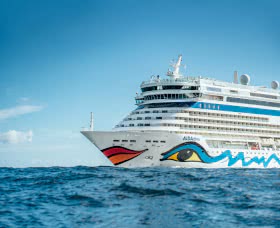
As for cruise traffic, in the nine months the system
The Belgian port has welcomed 136 cruise ships, with 342,441
passengers (-13.3%).
- Via Raffaele Paolucci 17r/19r - 16129 Genoa - ITALY
phone: +39.010.2462122, fax: +39.010.2516768, e-mail
VAT number: 03532950106
Press Reg.: nr 33/96 Genoa Court
Editor in chief: Bruno Bellio No part may be reproduced without the express permission of the publisher







 The third quarter of 2026 is the first this year that
the port system of Antwerp-Bruges closed with growth on the
same period as last year. Between July and September,
about 67 million tons of goods handled, with an increase in
by +2.5% over the corresponding period of 2025. In the first quarter
This year, the percentage change was -3.1% and in 2015
second by -1.7%. The result of the first quarter, however, was not
was enough to erase the accumulated delay, and in the first nine months the
total traffic is 200.9 million tons, down by
-0.8% compared to the January-September period of 2025.










 - Via Raffaele Paolucci 17r/19r - 16129 Genoa - ITALY


